
Published
6 minute read

Fertility struggles impact far more than just the body; trying to grow your family can be one of the most emotional journeys you’ll ever face, especially when it doesn’t go as planned.
The emotional toll of navigating infertility, undergoing IVF, and managing the cycles can feel overwhelming, leading many to experience anxiety, depression, or a sense of isolation.
If you’re struggling, you are not alone. The connection between infertility and mental health is very real. Understanding how emotional well-being and reproductive health are linked can help you feel more in control and supported through every step of the journey.

When conception doesn’t happen easily, it’s common to feel a mix of sadness, guilt, shame, or anger. Fertility issues can affect every aspect of life, including relationships, work, finances, and self-esteem.
A patient is especially susceptible to depression and anxiety during this time. In fact, studies show that individuals dealing with infertility often experience similar psychological distress to those diagnosed with chronic illnesses. The cycles of hope can be draining, especially if a patient is on a journey requiring several cycles or treatments for their family-building goal.
Common emotional responses to infertility may include:
One thing to remember is that while these may be fleeting emotions, most times they are signs that your mental health and fertility journey are deeply intertwined.
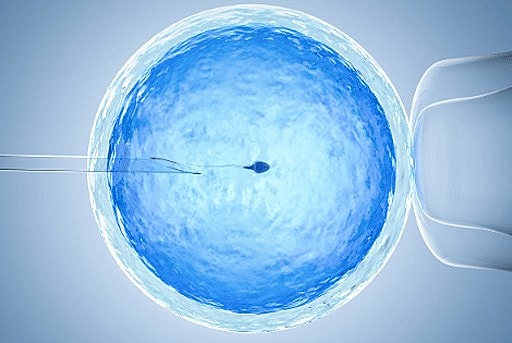
While in vitro fertilization (IVF) offers hope to millions, it also introduces a range of physical, emotional, and financial stressors.
The IVF process involves multiple stages: hormonal stimulation, egg retrieval, fertilization, embryo transfer, and the dreaded “wait.” Each phase brings uncertainty, intense pressure, and the potential for emotional highs and lows. The hormones used in IVF treatments can also cause mood swings, anxiety, or depression.
It’s important to be aware of the emotional side effects that can come with IVF:
These experiences are normal, but they’re also valid reasons to seek support. IVF mental health struggles are common, and recognizing them early allows space for proactive care.
One of the most under-discussed aspects of infertility is its relationship with depression. For many, the pain of infertility is compounded by a deep sense of loss, not just of a pregnancy, but of the future they imagined.
Some contributing factors to infertility and depression may include:
Additionally, the expectation to remain “hopeful” throughout the process can make it harder to openly express difficult emotions. For some, depression becomes an invisible burden that’s hard to articulate, even to those closest to them.
The link between mental health and fertility goes both ways. While infertility can cause emotional distress, that same distress may also impact fertility outcomes. High levels of chronic stress can disrupt hormone balance, menstrual cycles, and even sperm production.
Common ways stress and mental health challenges can interfere with fertility may include:
This doesn’t mean your mental state is “to blame” for fertility issues, but it highlights the importance of treating your emotional health as a key part of the fertility journey.
Taking care of your mental health while trying to conceive is just as important as any fertility medication or treatment plan. Here are several ways to support your emotional well-being through this process:
Therapists who specialize in infertility or reproductive health can offer a safe space to process grief, fear, or frustration. Cognitive Behavioral Therapy (CBT) and other modalities may be prescribed by a mental health therapist to help manage depression and anxiety.
Some individuals may also benefit from medications, which may be discussed with a doctor, especially when preparing for or undergoing IVF.
Talking with others who are on a similar journey can provide relief, validation, and perspective. Whether online or in person, support groups help reduce feelings of isolation and normalize the emotional rollercoaster of fertility struggles.
Communicate openly with your partner, family, or friends about what you’re going through. Let them know how they can best support you. Sometimes, a ride to an appointment, a hot meal, or simply a listening ear can make all the difference.
Prioritize small daily rituals that nurture your mental and physical well-being:
When you’re always pushing without a break, things start to wear down; your focus fades, your patience wears thin, and even the things you love can start to feel like a burden. This is what makes self-care essential.
It’s important to recognize when fertility challenges are taking a significant toll on your mental health. If you’re experiencing any of the following symptoms, it may be time to speak to a mental health professional:
There is no shame in needing help. Seeking support is a sign of strength, not weakness.
At HRC Fertility, we understand that the fertility journey involves so much more than medical treatment; it involves your heart, your hopes, and your emotional well-being. That’s why we endeavor to provide world-class, innovative, and compassionate care that recognizes the full experience of infertility and mental health.
Whether you’re considering IVF, navigating treatment options, or taking a break to focus on healing, we’re here to support you emotionally and physically every step of the way.
If you’re ready to explore your options or simply want someone to talk to, we invite you to schedule a consultation. Your mental health matters just as much as your dream of becoming a parent.