Published
9 minute read
Key Takeaways
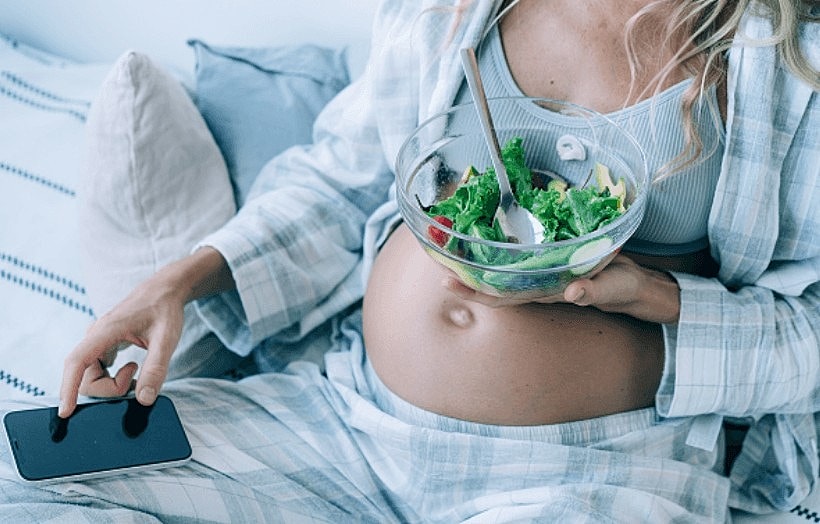
When people begin trying to conceive, the focus often falls on timing, ovulation, or medical treatments. But an equally important piece of the puzzle is what’s on the plate.
Research shows that nutrition and fertility are deeply connected. While diet alone won’t solve every fertility challenge, adopting the right nutritional habits can improve reproductive health and support fertility treatments.
Food fuels the body, but it also shapes how reproductive systems function. Hormones that regulate ovulation and sperm production are sensitive to nutrients, and deficiencies or imbalances can disrupt these delicate processes.
Studies, including large-scale research like the Nurses’ Health Study, consistently show that dietary choices affect the likelihood of conception, both naturally and with the help of treatments like IVF.
A fertility-supportive diet doesn’t have to be complicated. Focusing on whole, nutrient-dense foods can improve reproductive health over time.
Not all carbs are the same. Refined carbohydrates (like white bread, pastries, and sugary snacks) cause blood sugar spikes, which can disrupt hormone balance and ovulation. Instead, choose complex carbs such as:
These foods stabilize blood sugar and support healthy insulin sensitivity, which is especially important for conditions like PCOS.
Both plant-based and lean animal protein sources can be beneficial:
Research suggests that replacing some animal proteins with plant-based options may lower the risk of ovulatory infertility.
Fats are essential for hormone regulation and cell structure, but quality matters.
Fertility-supportive fats include:
Meanwhile, trans fats (often found in fried or processed foods) may negatively impact fertility.
One of the most studied dietary patterns for reproductive health is the Mediterranean diet. This eating style emphasizes:
Research suggests that following this pattern may improve fertility outcomes, particularly for individuals undergoing assisted reproductive treatments like IVF. Beyond fertility, it also supports heart, brain, and metabolic health.
Fertility and nutrition are not just women’s issues. Male factor infertility accounts for roughly 30–40% of cases, and diet plays a major role. Studies show that men who consume diets rich in antioxidants, omega-3s, and whole foods tend to have:
Conversely, diets heavy in processed meats, refined carbs, and alcohol are linked with poorer sperm quality.
While there’s no need for extreme restrictions, certain foods and habits can make it harder for your body to function at its reproductive best. Understanding what to limit helps create a more balanced approach to fertility and nutrition:
Packaged snacks, frozen meals, and fast foods are often loaded with trans fats, refined carbs, and added sugars. These ingredients can contribute to inflammation, insulin resistance, and weight gain, all of which may interfere with ovulation or sperm health.
Choosing whole, minimally processed foods supports steadier energy and better hormone regulation.
Drinking heavily has been linked to lower fertility in both men and women.
\Limiting alcohol or avoiding it altogether while trying to conceive is a practical step to protect reproductive health.
Fish is an excellent source of lean protein and omega-3 fatty acids, both of which are important for fertility.
However, certain species like swordfish, king mackerel, and shark contain high levels of mercury, which can accumulate in the body and affect both fertility and fetal development.
Safer choices include salmon, sardines, trout, and low-mercury white fish.
Moderate caffeine intake (one to two cups of coffee a day) is generally considered safe for most people trying to conceive. But consistently exceeding 500mg per day (roughly four to five cups of brewed coffee) may be linked to lower fertility and higher miscarriage risk. The American College of Obstetrics and Gynecology recommends limiting to caffeine to 200 mg or less during pregnancy.
Paying attention to all caffeine sources, including tea, energy drinks, and chocolate, helps keep intake in check.
Found in fried fast foods, margarine, and many shelf-stable baked goods, trans fats can negatively impact insulin sensitivity and circulation, both of which influence fertility.
Replacing them with healthy fats like olive oil, avocado, nuts, and seeds better supports hormone health and overall reproductive function.
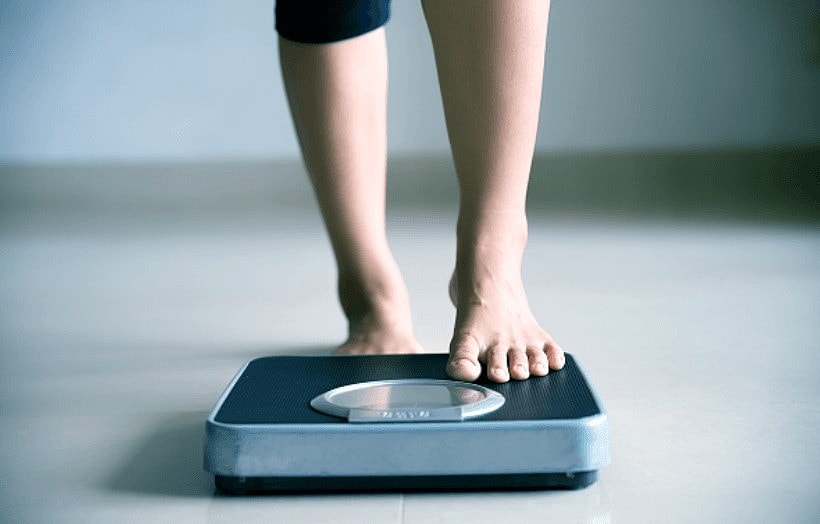
Body weight and nutrition are closely tied to reproductive health. Being significantly underweight or overweight can disrupt hormone balance and ovulation.
The good news is that even small lifestyle shifts can have big benefits. For example, women with PCOS who lose just 5–10% of body weight may see improvements in ovulation and fertility outcomes.
Putting fertility nutrition into practice is about consistency, not perfection. Small, steady choices add up over time and can make a real difference for reproductive health.
Here are some approachable strategies to consider:
Colorful produce provides antioxidants, fiber, and essential vitamins that support hormone balance, egg quality, and sperm health. Think berries for vitamin C, leafy greens for folate, and orange vegetables for beta-carotene, all nutrients linked to better fertility outcomes.
Whole grains like brown rice, oats, quinoa, and whole-wheat bread release energy slowly, helping stabilize blood sugar and improve insulin sensitivity. Reducing insulin resistance is especially important for conditions like PCOS, which can interfere with ovulation.
Prioritize lean and plant-based sources such as beans, lentils, tofu, fish, chicken, or eggs. Research shows that replacing some animal protein with plant protein may improve ovulatory function, which highlights the link between fertility and nutrition.
For men, protein sources rich in zinc and selenium also support healthy sperm production.
Healthy fats like those in olive oil, nuts, seeds, and avocados are important for hormone production and absorption of fat-soluble vitamins (A, D, E, and K). These fats are a key feature of the Mediterranean diet, which has been associated with improved fertility for both women and men.
Highly processed foods often contain trans fats, added sugars, and excess sodium, all of which can negatively affect reproductive health. Cooking at home gives you more control over ingredients and portion sizes, making it easier to follow a fertility-friendly diet without feeling restricted.
A prenatal vitamin or fertility-focused supplement may be recommended by your doctor to fill nutrient gaps. Folic acid, vitamin D, and omega-3 fatty acids are among the most important for reproductive health. Supplements should complement, not replace, a balanced diet.
Diet is a powerful tool, but it’s only part of the fertility equation. If conception hasn’t happened after 12 months of trying (or six months for women over 35), it may be time to seek professional help.
A fertility specialist can recommend personalized diagnostic testing, treatment options, and nutritional strategies that align with your goals.
At HRC Fertility, we understand the importance of approaching fertility from every angle, including nutrition. If you’re ready to begin your family-building journey, our specialists are here to guide you.